How to Negotiate the Best Price When Buying Second-Hand Goods
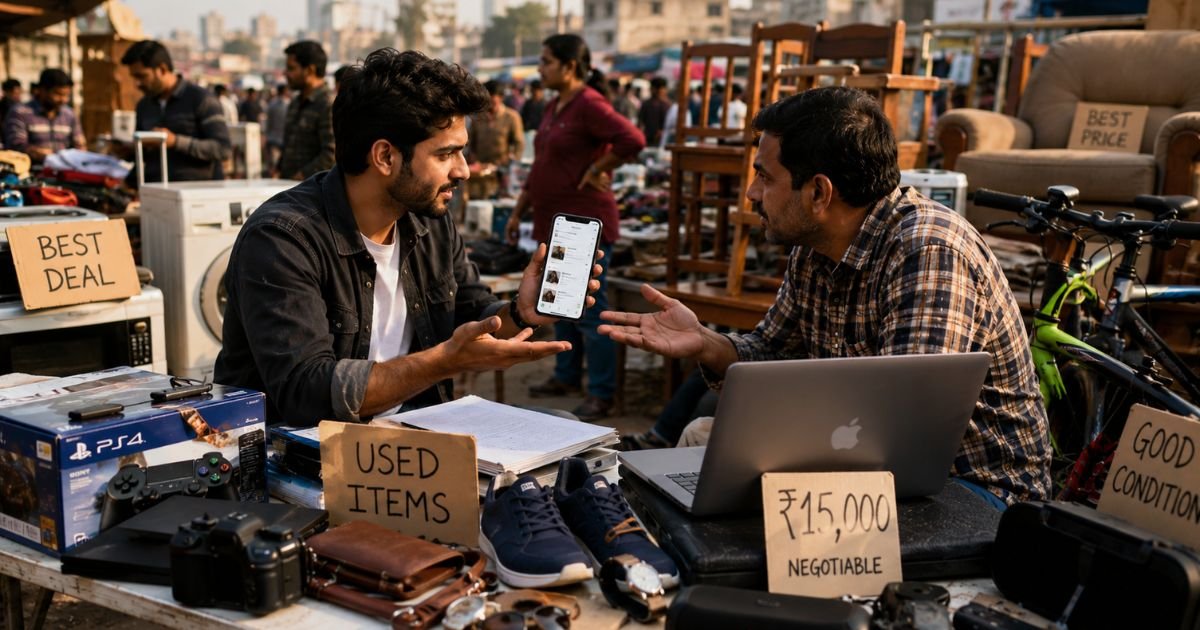
Buying pre-owned products is no longer just about saving money. Today, second-hand shopping has become a smart way to access quality products, reduce waste, and find unique deals that are often unavailable in retail stores. From used electronics and furniture to fashion, vehicles, and home appliances, resale marketplaces are growing rapidly across India.
However, one mistake many buyers make is accepting the first quoted price without negotiation. Most second-hand sellers intentionally leave room for bargaining, especially on local marketplaces and peer-to-peer resale platforms. If you understand how to negotiate second hand prices properly, you can save a significant amount without compromising product quality.
At Showup India, we believe smart buyers should understand both product value and negotiation strategy before making any purchase. This guide explains practical and realistic methods to negotiate price for used items effectively while avoiding common mistakes.
Why Negotiation Matters in the Second-Hand Market
Unlike fixed retail pricing, the second-hand market operates on flexible pricing models. Sellers usually price products based on emotional value, urgency to sell, product condition, and current market demand. That means two identical products may have completely different prices depending on the seller.
This flexibility creates opportunities for buyers who understand bargaining tactics and market research. Good negotiation helps you:
- Avoid overpaying
- Identify fair market value
- Compare deals across resale marketplaces
- Get better-quality products within budget
- Reduce unnecessary spending
Whether you are buying used electronics, furniture, bicycles, or fashion accessories, negotiation remains one of the most important second hand shopping tips.
Research the Fair Market Value Before Negotiating
The biggest mistake buyers make is negotiating blindly. Before contacting a seller, always research the average market rate for similar pre-owned items.
Check:
- Product age
- Brand reputation
- Current retail price
- Product condition
- Accessories included
- Warranty availability
- Similar listings on local marketplaces
This price comparison process helps you identify whether the seller’s asking price is reasonable or inflated.
For example, if a used smartphone originally cost ₹30,000 and similar listings are selling for ₹14,000-₹16,000, offering ₹10,000 may look unrealistic. A smarter negotiation range would be closer to the actual resale market.
Understanding fair market value gives you confidence during negotiation and prevents emotional buying decisions.
Inspect the Product Carefully
Successful used goods negotiation tips always start with inspection. Sellers often use phrases like “almost new” or “excellent condition,” but buyers should verify every detail personally.
When buying pre-owned items, check:
- Physical damage
- Functional performance
- Repair history
- Original bill availability
- Battery health for electronics
- Rust, leakage, or wear
- Missing parts or accessories
If you identify flaws, use them logically during bargaining instead of aggressively criticizing the seller.
For example:
- “The screen has visible scratches.”
- “Battery replacement may be needed soon.”
- “I’ll need to spend extra on repairs.”
This approach strengthens your position naturally while keeping the conversation professional.
Start Lower - But Stay Realistic
One of the best negotiation techniques is starting with a lower but reasonable offer.
Many buyers either:
- offer too little and annoy the seller, or
- negotiate too softly and lose savings opportunities.
A practical rule is:
- Start around 10-20% below your target price depending on product condition and demand.
If the seller quotes ₹20,000 for a laptop, and your researched fair value is ₹17,000, you can begin around ₹15,500-₹16,000 and negotiate upward gradually.
Extreme lowball offers usually fail because sellers stop taking the buyer seriously.
Learning how to bargain for used items requires balance between confidence and realism.
Use Silence as a Negotiation Tool
Most inexperienced buyers talk too much during bargaining. Skilled negotiators use silence strategically.
After making an offer:
- pause,
- wait for the seller’s response,
- avoid immediately increasing your budget.
Silence often pressures sellers into:
- justifying the price,
- offering discounts,
- revealing urgency to sell.
This tactic works especially well in thrift shopping, furniture deals, and local resale marketplace negotiations.
Compare Multiple Listings Before Buying
Never negotiate based on a single listing alone.
One of the smartest second hand shopping tips is comparing:
- seller pricing,
- product condition,
- included accessories,
- delivery availability,
- warranty status.
Competition benefits buyers. If sellers know you have alternatives, they become more flexible on pricing.
This works particularly well on:
- Facebook Marketplace
- OLX
- Quikr
- local resale groups
- community marketplaces
Price comparison also helps you recognize fake “discounts” where sellers artificially inflate original asking prices.
Avoid Emotional Buying Decisions
Emotional attachment destroys negotiation power.
Many buyers overpay because they:
- fear missing out,
- become emotionally attached,
- rush the purchase,
- ignore defects.
Good negotiators stay patient and objective.
Even if the product looks attractive, remember:
another deal will always appear later.
Walking away is sometimes the strongest bargaining tactic possible. Sellers frequently return with lower offers once they realize the buyer is willing to leave.
Bundle Purchases for Better Discounts
If a seller has multiple products available, bundling can improve your negotiation leverage.
For example:
- buying a study table and chair together,
- purchasing multiple used electronics,
- combining home appliances in one deal.
Sellers prefer faster inventory clearance and may offer package discounts to serious buyers.
This strategy is especially effective in local marketplaces where sellers prioritize convenience and quick transactions.
Timing Can Improve Negotiation Success
Timing matters more than most buyers realize.
Sellers are usually more flexible:
- at month-end,
- during relocation,
- before upgrading products,
- during financial urgency,
- when listings remain unsold for weeks.
Older listings often indicate reduced buyer interest, giving you stronger negotiation power.
If a product has been listed for 20-30 days without selling, the seller is more likely to accept a reasonable lower offer.
Be Polite and Professional
Aggressive bargaining often backfires.
Good negotiation is not about insulting the seller or forcing unrealistic discounts. Respectful communication creates better outcomes.
Instead of saying:
- “Your price is ridiculous.”
Say:
- “I checked similar listings and most are slightly lower.”
Professional negotiation builds trust and keeps discussions productive.
This is especially important when buying expensive pre-owned items like:
- laptops,
- cameras,
- furniture,
- gaming consoles,
- vehicles.
Understand When a Deal Is Too Good to Be True
Very low prices sometimes indicate:
- hidden defects,
- fake products,
- stolen goods,
- scams,
- repair-heavy items.
If a seller refuses inspection, avoids questions, or pushes urgent payment without verification, walk away immediately.
In used electronics purchases especially, buyers should:
- test functionality,
- verify IMEI or serial numbers,
- check invoices,
- confirm ownership.
Smart buyers focus on value, not just cheap pricing.
Final Thoughts
Negotiating in the second-hand market is a skill built through research, patience, and observation. Buyers who understand fair market value, compare listings properly, and communicate professionally usually secure the best deals.
The goal is not simply to pay the lowest amount possible. The real objective is getting the best price for second hand items while ensuring product quality, reliability, and long-term value.
As resale marketplaces continue growing across India, buyers who master negotiation will save more money and make smarter purchasing decisions.
At Showup India, we encourage consumers to shop intelligently, verify products carefully, and approach every negotiation with logic instead of emotion. A well-negotiated purchase is not just cheaper, it is smarter, safer, and far more satisfying.